

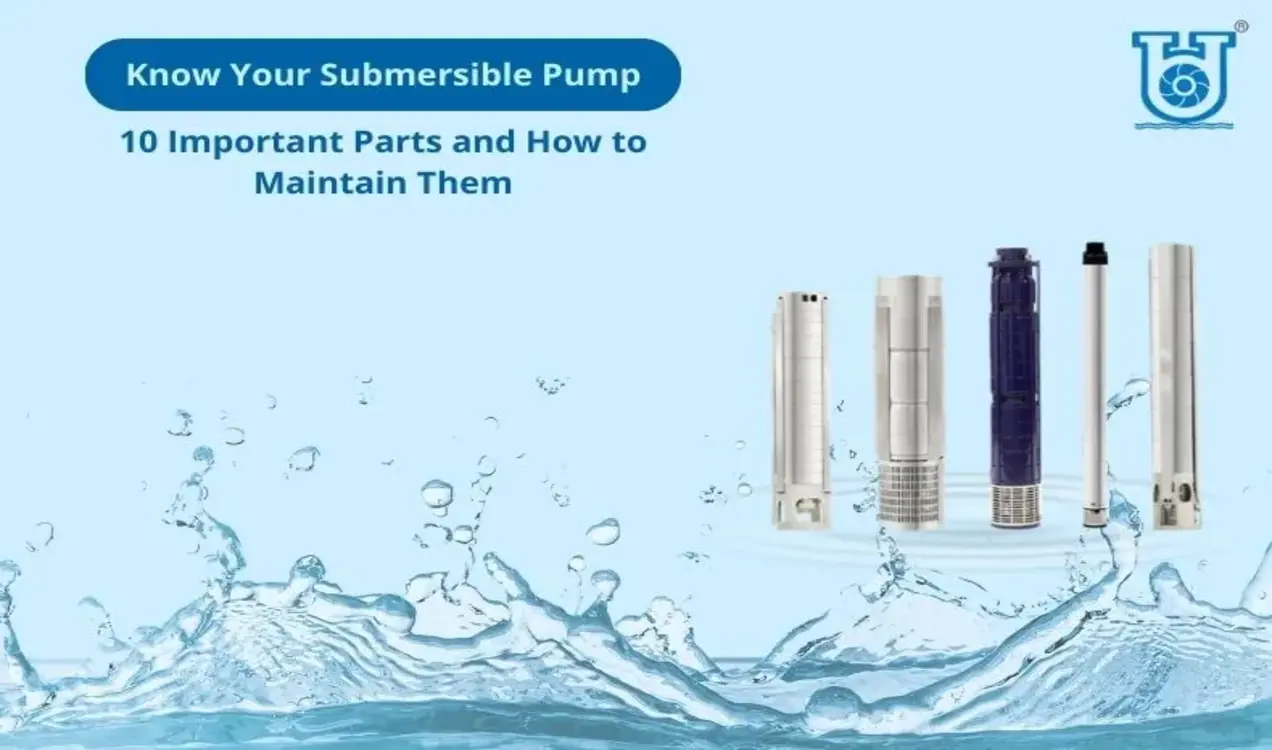
Submersible pumps are crucial instruments used to pump water from wells, boreholes, and other water sources. They are intended to be submerged in water and are extensively utilized in homes, businesses, and enterprises. Understanding the distinct sections of a submersible pump and how to maintain them is vital for appropriate maintenance and efficient performance.
10 Key Parts of a Submersible Pump & Maintenance Tips
1. Motor
The motor is the core of a submersible pump. It turns electrical energy into mechanical energy to propel the pump. The motor is ordinarily hermetically sealed and oil-filled to prevent water from entering and harming the motor. To guarantee optimal performance, routinely examine the motor for any symptoms of damage or wear. Keep the motor clean and free from debris to prevent overheating.
2. Impeller
The impeller is responsible for providing the requisite pressure to circulate water through the pump. It consists of curved blades that spin swiftly, generating centrifugal force. The impeller might be broken or clogged, which can impair its efficacy. To maintain the impeller, it should be routinely inspected for any obstructions or damage. If necessary, it should be cleaned to preserve its efficacy. It is also crucial to prevent pump cavitation, which can damage the impeller and other pump components.
Pump cavitation occurs when the pressure in the fluid dips below the vapour pressure, causing bubbles to form and collapse, which can pit the impeller and destroy pump seals. To prevent pump cavitation, it is vital to identify the cause of the pressure decrease and reposition the pump closer to the fluid source and remove as many bends and valves as possible.
3. Discharge Pipe
The discharge pipe is an integral component of a submersible pump that delivers water from the pump to the location of usage. It is ordinarily composed of PVC or polyethylene and is available in varying diameters and lengths. The diameter of the discharge pipe impacts the pump’s flow rate and pressure.
A larger diameter pipe will lower the frictional losses and enhance the flow rate, while a smaller diameter pipe will increase the frictional losses and reduce the flow rate. To maintain the discharge conduit, it should be frequently inspected for any symptoms of corrosion or damage. Repair or replace it as required to guarantee smooth water flow. It is also crucial to ensure that the discharge pipe is correctly supported to prevent sagging or bending, which can place stress on the pump and diminish its performance.
4. Control Panel
The control panel allows you to start, halt, and control the functioning of the submersible pump. Familiarize yourself with the control panel’s functions and indications. Regularly inspect the control panel for any loose connections or damaged components. Keep everything spotless and dry to prevent electrical difficulties.
5. Check Valve
The check valve is a one-way valve that prevents water from flowing back into the pump when it is switched off. Inspect the check valve often to ensure it is functioning effectively. Clean or replace it if it becomes obstructed or damaged.
6. Easy Tie Adapters
Easy tie adapters are used to attach the pump’s power cables and discharge pipe. Ensure that the simple tie adapters are firmly attached to prevent any unsecured connections. Regularly examine the adapters for any indications of wear or damage. Replace them as necessary to maintain a secure and reliable connection.
7. Clamps
Clamps are used to secure the pump’s power wires and discharge pipe to prevent them from sliding loose. Regularly check the clamps to ensure they are tight and secure. Replace any damaged or worn-out clamps to maintain a solid connection.
8. Heat Shrink Splice Kits
Heat shrink splice packages are used to join and protect electrical connections. Inspect the heat shrink splice kits often to ensure they are undamaged and correctly sealed. Replace any damaged or worn-out kits to prevent electrical problems.
9. Torque Arrestor
The torque arrestor is a mechanism that prevents the pump from rotating or twisting during operation. It serves to steady the pump and prolong its longevity. Regularly examine the torque arrestor for any damage or fatigue. Replace it as necessary to preserve the pump’s stability.
10. Safety Rope
The safety cable is used to lower and retrieve the submersible pump from the well or borehole. Ensure that the safety rope is securely fastened to the pump and is in good condition. Regularly inspect the safety rope for any symptoms of fraying or weakening. Replace it as necessary to guarantee safe and efficient pump retrieval.
Conclusion
Submersible pumps are very important instruments in countless households and enterprises. With numerous roles and purposes throughout industries, they can efficiently carry out daily activities, making them better alternatives than other pump options. Proper maintenance of the 10 critical parts of a submersible pump is crucial for the pump’s longevity and efficient operation.
Regular inspection, cleansing, and early replacement of damaged components will assist ensure the pump’s best operation. By taking care of these ten vital parts, you can rely on your submersible pump to offer a steady water supply for years to come.
FAQs About Important Parts of a Submersible Pump
What are the main parts of a submersible pump?
The main parts of a submersible pump include the motor, impeller, discharge pipe, control panel, check valve, clamps, safety rope, and torque arrestor. Each component plays an important role in smooth water flow and reliable pump performance.
Which part is most important in a submersible pump?
The motor is considered the heart of a submersible pump because it powers the entire pumping system. A high-quality motor helps improve efficiency, durability, and long-term performance.
What happens if the impeller of a submersible pump gets damaged?
A damaged or clogged impeller can reduce water pressure and affect the pump’s performance. Regular inspection and cleaning help maintain smooth water flow and prevent costly repairs.
How often should submersible pump parts be maintained?
Submersible pump parts should be inspected regularly for wear, loose connections, corrosion, or blockage. Proper maintenance helps extend pump life and improves overall efficiency.
Why is a check valve important in a submersible pump?
A check valve prevents water from flowing back into the pump after it is switched off. This helps protect the pump system and maintain steady water pressure.
What causes a submersible pump to lose pressure?
Low water pressure can happen due to a damaged impeller, clogged discharge pipe, faulty check valve, or motor issues. Routine maintenance helps identify these problems early.
How long do submersible pump parts last?
The lifespan of submersible pump parts depends on water quality, usage, and maintenance. Quality components from trusted manufacturers like Unnati Pumps can provide long-lasting and reliable performance.
Can damaged pump parts increase electricity consumption?
Yes, worn or damaged pump parts can force the motor to work harder, increasing power consumption and reducing efficiency. Timely maintenance can help save energy and reduce operating costs.
What is the function of a torque arrestor in a submersible pump?
A torque arrestor helps stabilize the pump during operation and prevents twisting or vibration inside the borewell. This improves pump safety and extends equipment life.
How do I know if my submersible pump motor is failing?
Common signs include overheating, unusual noises, low water flow, frequent tripping, or increased electricity usage. Early inspection can help prevent complete motor failure.