

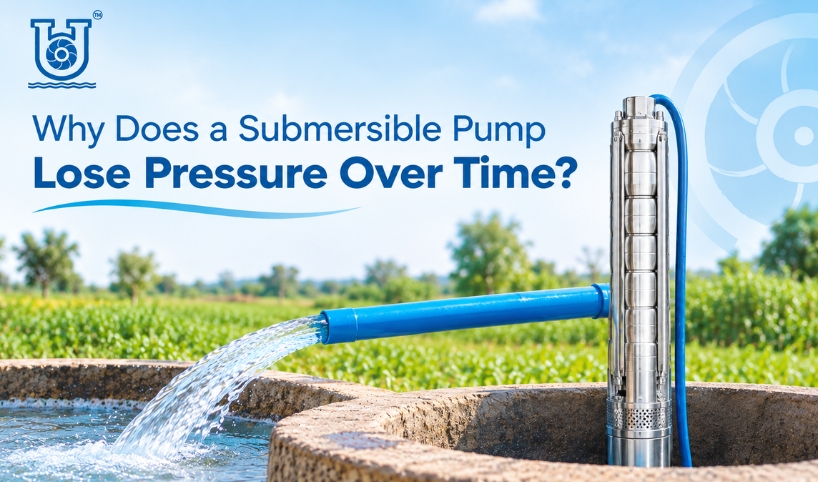
A submersible pump is designed to deliver water at a steady pressure for homes, farms, and industrial applications. However, after months or years of use, you may notice that the water flow becomes weaker, tanks take longer to fill, or the pump struggles to supply water to higher floors.
A submersible pump can lose pressure over time due to worn impellers, clogged pipes, falling groundwater levels, electrical problems, or leaks in the water supply system. In some cases, the problem is not with the pump itself but with the surrounding equipment.
Understanding the possible causes can help you identify the problem early, avoid unnecessary repairs, and maintain a reliable water supply.
What Causes a Submersible Pump to Lose Pressure?
A submersible pump creates the head needed to move water from an underground source to its destination. When something affects the pump’s performance or increases resistance in the system, the pressure available at the outlet may decrease.
Here are some common reasons why this happens.
1. Worn or Damaged Impellers
The impeller is an important component of a submersible pump. It rotates to transfer energy to the water, helping the pump move water through the delivery pipe.
Over time, sand, dirt, and other particles in the water can wear down the impeller surfaces.
When an impeller becomes damaged, the pump may no longer generate the same head as before.
Common signs include:
- Gradually decreasing water pressure
- Reduced water delivery
- Longer tank filling times
- Unusual noise or vibration
Solution: Check the impellers for signs of wear, damage, or buildup. Cleaning can improve performance if deposits are restricting water flow. However, badly worn or damaged impellers may need to be replaced.
2. Falling Groundwater Levels
A falling groundwater level is another common reason for reduced water delivery, particularly in borewell applications.
During summer or periods of heavy water usage, the water level inside a borewell may drop.
As the water level falls, the pump must lift water through a greater vertical distance. This increases the total head required and may reduce the amount of water delivered.
If the water level drops close to the pump inlet, the pump may also experience an insufficient water supply.
Solution: Check the borewell’s static and pumping water levels. If the water level has changed significantly, consult a pump specialist to determine whether the existing installation remains suitable.
3. Blocked Pipes or Pump Inlets
Sand, mud, mineral deposits, and other materials can accumulate inside the pump inlet or delivery pipes.
These deposits restrict the passage of water and increase resistance within the system.
For example, a pump that previously filled a water tank in 30 minutes may start taking considerably longer because of a partially blocked delivery pipe.
Solution: Start by checking the delivery pipes and valves for restrictions. Remove any visible debris and clean the filters. If the problem continues, the blockage may be inside the pump.
Regular cleaning can help prevent deposits from affecting water flow.
4. Low Voltage or Electrical Problems
A submersible pump motor requires a suitable electrical supply to operate correctly.
Low voltage, voltage imbalance, loose electrical connections, or damaged cables can affect motor performance.
In some cases, electrical problems may cause the motor to overheat, trip frequently, or operate below its expected performance.
Solution: Ask a qualified electrician to check the voltage, current, cable connections, and motor protection system.
Always compare the readings with the manufacturer’s specifications. Avoid operating the pump outside its recommended electrical limits.
5. Leaks in the Delivery Pipeline
Sometimes, the pump is working correctly, but water escapes through damaged pipes or loose connections before reaching the outlet.
Underground pipe leaks can be difficult to identify because they may not be visible.
A leaking delivery pipe can reduce the pressure available at taps, irrigation outlets, or storage tanks.
Signs of a possible leak include:
- Unexpectedly low water pressure
- Wet areas near buried pipelines
- Water loss when outlets are closed
- Frequent pump cycling in pressure-controlled systems
Solution: Even a small leak in the delivery pipeline can reduce water pressure. Check all accessible connections and fittings, and consider a pressure test if the source of the leak is unclear.
Repairing the leak may restore normal pressure without replacing the pump.
6. Problems with the Pressure Tank or Switch
Some submersible pump systems use a pressure tank and pressure switch to maintain water pressure automatically.
If the pressure tank loses its air charge or its internal bladder fails, the pump may start and stop frequently.
Similarly, a faulty pressure switch may prevent the system from operating within the required pressure range.
These problems are more common in automatic domestic water supply systems.
Solution: Have the pressure tank, pressure switch, and pressure gauge inspected. The correct settings depend on the pump and system design.
How Can You Check Why Your Submersible Pump Has Low Pressure?
Before replacing the pump, it is important to identify whether the problem comes from the pump, water source, electrical supply, or pipeline.
Start with these checks.
Step 1: Check the water flow: Observe how much water reaches the storage tank or outlet. Compare the filling time with the pump’s previous performance under similar conditions.
Step 2: Inspect the pressure gauge: If your system has a pressure gauge, check the reading while the pump operates. Compare it with normal operating readings.
Step 3: Look for visible leaks: Inspect accessible pipes, valves, and connections for water leakage.
Step 4: Check the water level: For borewell pumps, determine whether the groundwater level has fallen.
Step 5: Arrange an electrical inspection: A qualified electrician can check whether the motor receives the correct voltage and operates within its rated current.
Step 6: Inspect internal components: If external checks do not reveal the cause, a pump technician may need to inspect the impellers, diffusers, and other internal parts.
Always disconnect the electrical supply before maintenance. Do not attempt to remove a submerged pump or open electrical equipment without appropriate training.
How Can You Prevent Submersible Pump Pressure Loss?
Regular maintenance and correct operating conditions can help maintain pump performance.
Here are some useful preventive measures.
Keep the Water Source Clean: Excessive sand and sediment can damage internal pump components.
If your borewell contains significant sediment, consult a specialist about suitable filtration or well maintenance.
Choose the Correct Pump Capacity:A pump must be selected according to the required flow rate, total head, water level, and pipeline conditions.
An incorrectly sized pump may struggle to deliver sufficient water pressure, even when it is new.
Avoid Dry Running:A submersible pump should not operate without sufficient water.
Inadequate water supply can cause overheating and damage internal components. Suitable dry-run protection can help prevent this problem.
Monitor Pump Performance:Keep a simple record of water delivery, pressure readings, and unusual operating conditions.
If the pump starts taking longer to fill a tank, investigate the change before it becomes a major problem.
When Should You Replace a Submersible Pump?
Not every pressure problem requires a new pump.
Minor issues such as blocked pipes, faulty switches, or damaged connections can often be repaired.
However, replacement may be worth considering when:
- Impellers and other internal components are severely worn.
- The motor has experienced major damage.
- Repair costs are high compared with replacement.
- The pump no longer meets the system’s water requirements.
- Pressure problems continue despite appropriate repairs.
Before purchasing a replacement, confirm the required head, flow rate, borewell size, and electrical specifications.
Conclusion
A submersible pump may lose pressure over time because of worn components, falling groundwater levels, blocked pipelines, electrical problems, or water leakage.
The best solution depends on identifying the actual cause rather than immediately replacing the pump.
Regular inspections, proper maintenance, and correct pump selection can help maintain reliable water delivery and reduce unexpected breakdowns.
At Unnati Pumps, we manufacture and supply submersible pumps and motors for agricultural, residential, and industrial applications. Explore our pump range to find a suitable solution for your water supply requirements.
Frequently Asked Questions
- Why is my submersible pump running but producing low pressure?
Possible causes include worn impellers, blocked pipes, low groundwater levels, or leaks in the delivery system. Checking the water source, pressure readings, and pipeline can help identify the problem.
- Can low voltage cause a submersible pump to lose pressure?
Yes. An unsuitable electrical supply can affect motor operation and pump performance. A qualified electrician should check the voltage and motor current against the manufacturer’s specifications.
- Does a submersible pump lose efficiency as it gets older?
Yes. Internal components can gradually wear because of friction, sediment, and operating conditions. However, regular maintenance can help preserve performance and extend service life.
- Can a blocked pipe reduce submersible pump pressure?
Yes. A blocked delivery pipe increases resistance to water flow. This can reduce the pressure and flow available at the outlet.
- How do I know if my submersible pump needs replacement?
Consider replacement if the motor or internal components are severely damaged, repairs are uneconomical, or the pump cannot meet the required water demand. A professional inspection can help determine the best option.